

Posted on Mar 8, 2026
Image Credit:
File ID 26081657 | © Supergenijalac | Dreamstime.com
Share: 



The way a vehicle is driven can significantly affect its reliability, performance, and overall lifespan. While routine vehicle maintenance is essential, everyday driving habits often determine how quickly critical components wear out. From acceleration patterns to braking behavior, small choices behind the wheel can influence the health of major vehicle systems.
Auto owners who understand how driving behavior impacts vehicle performance can help reduce unnecessary repairs and extend the life of their cars.
Frequent hard acceleration places added strain on the engine, transmission, and drivetrain. Rapid acceleration forces engine components to work harder and may increase heat and friction within critical systems.
Consistent aggressive driving can contribute to premature wear on the transmission, sometimes leading drivers to seek repairs from a transmission shop in Centennial when experiencing shifting issues.
Smooth acceleration allows the engine to operate more efficiently while reducing stress on mechanical components. Over time, this driving style can support better engine performance and reduce the likelihood of costly repairs.
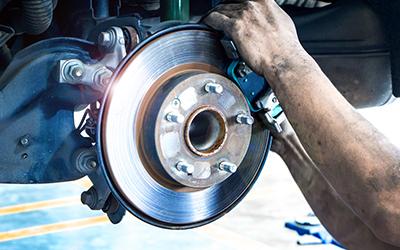
Braking patterns also influence long-term vehicle reliability. Sudden or aggressive braking can cause excessive wear on brake pads, rotors, and suspension components.
Drivers who frequently brake hard may need more frequent brake service because the friction generated during sudden stops accelerates the wear process. Gradual braking, on the other hand, allows braking systems to function more efficiently and reduces strain on surrounding components.
In addition to protecting the braking system, smooth driving habits also reduce stress on auto tires, helping them wear more evenly.
Tires are among the most affected components when it comes to driving habits. Sudden starts, hard stops, and aggressive cornering can accelerate tread wear and shorten tire lifespan.
Maintaining good driving habits can help extend the life of auto tires and maintain consistent traction and handling. Drivers should also regularly monitor tire pressure and schedule tire rotation services to promote even wear across all wheels.
Drivers researching car tires in Centennial may discover that proper maintenance and careful driving habits help maximize the lifespan of their tires and improve overall vehicle safety.
The transmission plays a vital role in transferring engine power to the wheels. Aggressive driving habits, such as rapid acceleration or frequent stop-and-go driving, can increase strain on transmission components.
Over time, these habits may contribute to overheating, delayed shifting, or internal wear that requires professional transmission repair. Drivers experiencing these issues may seek assistance from a transmission shop in Centennial for diagnostic services and repairs.
Maintaining steady speeds and avoiding abrupt gear changes can help preserve transmission health and support long-term reliability.
Adopting mindful driving habits can help protect essential vehicle systems and reduce long-term maintenance costs. Auto owners can extend the lifespan of their vehicles by incorporating the following practices into their driving routines:
These habits help prevent unnecessary wear while improving fuel efficiency and driving safety.
Even with responsible driving habits, routine maintenance remains essential for long-term vehicle reliability. Preventive services help detect early signs of wear before they develop into larger mechanical issues.
Regular maintenance typically includes services such as oil changes, brake inspections, tire rotations, and transmission fluid checks. Drivers who combine preventive care with careful driving habits are more likely to avoid major mechanical failures.
When drivers notice symptoms such as rough shifting or delayed acceleration, consulting a transmission shop in Centennial can help diagnose potential problems early.
Tires are one of the most visible indicators of how driving habits affect vehicle health. Uneven tread wear, vibration, or reduced traction may signal that tires need replacement or that driving habits are causing excessive wear.
Selecting high-quality car tires Centennial drivers depend on and maintaining proper tire pressure can significantly improve vehicle handling and safety. Regular inspections also ensure that tires continue to perform effectively in a variety of driving conditions.
Driving habits directly influence how long a vehicle remains reliable and efficient. Gentle acceleration, controlled braking, and consistent maintenance practices help protect important components such as the engine, transmission, brakes, and auto tires.
By adopting responsible driving habits and addressing maintenance needs promptly, auto owners can help ensure their vehicles remain dependable for years to come. Routine inspections and services from experienced professionals also provide valuable support in maintaining long-term vehicle performance.