

Posted on Mar 23, 2026
Image Credit:
File ID 107472830 | © Weerapat Kiatdumrong | Dreamstime.com
Share: 


Tires are one of the most important components of any vehicle, directly affecting traction, safety, and ride quality. When tires wear evenly, they provide reliable performance and help maintain stable handling. However, uneven tire wear is a common problem that can reduce tire lifespan and signal underlying mechanical issues.
Understanding what causes uneven wear and how to prevent it can help auto owners protect their auto tires, improve vehicle performance, and avoid unnecessary replacement costs.
Uneven tire wear can appear in several different patterns across the tire tread. Recognizing these signs early helps drivers address problems before they worsen.
Some of the most common signs include:
Drivers who notice these patterns on their car tires, Centennial vehicle owners, depend on should consider having their vehicle inspected to determine the underlying cause.
One of the most common causes of uneven tire wear is poor wheel alignment. Alignment refers to how the wheels are positioned relative to the vehicle’s suspension and the road surface. When the wheels are misaligned, certain parts of the tire may contact the road more frequently than others.
Misalignment can develop after hitting potholes, curbs, or rough road surfaces. Over time, this condition causes one side of the tire to wear faster than the other.
Routine vehicle maintenance inspections can help detect alignment issues early. Drivers who replace or maintain car tires in Centennial often benefit from alignment checks that promote even tread wear.
Maintaining the correct tire pressure is essential for tire longevity. Both underinflated and overinflated tires can lead to uneven wear patterns.
Underinflated tires often wear more along the outer edges of the tread, while overinflated tires may wear excessively in the center. Consistently checking tire pressure helps preserve the lifespan of auto tires and improves fuel efficiency.
Automotive professionals frequently recommend checking tire pressure at least once a month and before long trips.
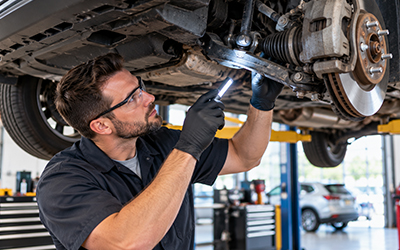
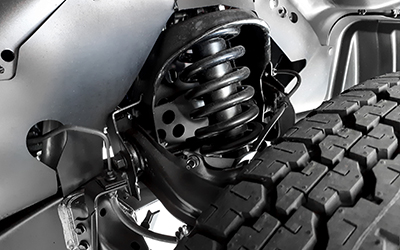
Vehicle suspension components help stabilize the vehicle and ensure consistent tire contact with the road. When parts of the suspension system wear out or become damaged, uneven tire wear can develop.
Problems related to suspension repair may include worn shocks, damaged control arms, or failing bushings. These issues can cause tires to bounce slightly while driving, leading to irregular tread patterns.
If drivers experience unusual vibrations, uneven tread wear, or handling changes, an inspection may help identify whether suspension problems are contributing to tire damage.
Regular tire rotation is essential for maintaining even tread wear. Because the front and rear tires experience different levels of stress during driving, rotating them periodically helps distribute wear more evenly across all four tires.
Automotive professionals often recommend rotating tires every 5,000 to 7,500 miles, although recommendations may vary depending on vehicle type and driving conditions.
Drivers who maintain their auto tires through regular rotations often notice improved tire longevity and more balanced vehicle performance.
Driving behavior also affects how quickly tires wear. Aggressive acceleration, sudden braking, and sharp cornering can increase friction and wear down tire tread faster.
Practicing smooth driving habits helps reduce unnecessary strain on car tires in Centennial while also improving overall vehicle control.
In addition, careful driving can reduce stress on other mechanical components such as brakes and transmissions. In cases where drivetrain issues occur, drivers may seek evaluation from a transmission shop in Centennial to ensure proper system performance.
Preventive maintenance plays a key role in protecting tires and maintaining vehicle safety. By addressing small issues early, drivers can reduce the risk of uneven wear and extend tire lifespan.
Auto owners can help prevent uneven tire wear by following these practices:
Regular inspections also help detect mechanical problems that may affect tire wear. For example, if drivetrain issues are suspected, consulting a transmission shop in Centennial can help ensure the vehicle operates efficiently.
Maintaining healthy tires is essential for safe driving and reliable vehicle performance. Uneven wear not only shortens tire lifespan but may also reduce traction and stability on the road.
By properly maintaining auto tires, scheduling routine inspections, and ensuring the condition of car tires Centennial drivers depend on remains strong, vehicle owners can protect both safety and long-term vehicle performance.
Consistent maintenance, careful driving habits, and timely repairs help ensure that tires wear evenly and continue providing dependable performance throughout their service life.
Posted on Mar 23, 2026
File ID 107472830 | © Weerapat Kiatdumrong | Dreamstime.com
Share: