

Posted on Jan 26, 2026
Image Credit:
File ID 26081657 | © Supergenijalac | Dreamstime.com
Share: 



Most major vehicle repairs don’t happen out of nowhere. They usually begin as minor symptoms: a faint squeal when braking, a slight vibration at highway speeds, a tiny puddle under the car, or a warning light that goes away after a restart. These can seem harmless, especially when your vehicle still drives “fine.” But what feels like a small annoyance today often becomes an expensive repair tomorrow if the underlying cause is ignored. At Waters Auto Repair, we frequently see avoidable breakdowns that started with a problem the driver noticed weeks or even months earlier. Taking action early protects your budget, reduces the risk of roadside trouble, and keeps your vehicle safer on every trip.
Tires are one of the most overlooked sources of early warning signs, even though they’re the only part of your vehicle that touches the road. Uneven tread wear can point to a suspension issue, worn shocks, or the need for wheel alignment—all problems that become costlier the longer they’re left unresolved. Even a simple, slow leak can lead to premature tire damage, poor fuel economy, and dangerous handling in wet weather. Drivers searching for car tires in Centennial often discover the bigger issue isn’t just the tire itself, but what caused it to wear incorrectly in the first place. Likewise, automotive tires Centennial shoppers may not realize that frequent tire replacements could be a symptom of alignment or suspension trouble rather than bad luck. If you drive a heavier vehicle, paying attention to truck tire Centennial wear is especially important because additional load and towing stresses amplify small tire problems into major safety hazards.
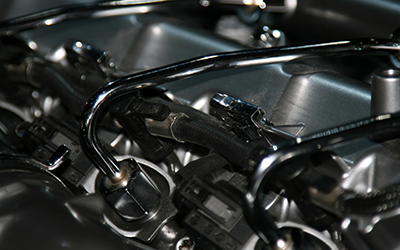
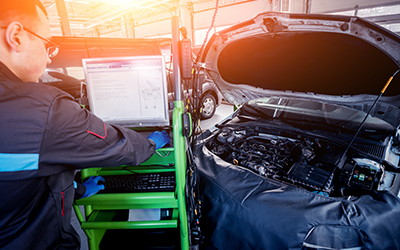
Modern vehicles are designed to tell you when something isn’t right, but many drivers treat the check engine light like a suggestion rather than a serious warning. Sometimes the issue is simple—like a faulty sensor or loose gas cap—but it can also indicate misfires, fuel system problems, or overheating risks. The longer the light stays on, the higher the chance that a small issue triggers a chain reaction. Delaying engine diagnostics can allow problems like lean fuel mixtures or ignition issues to damage catalytic converters, which are far more expensive than addressing the original cause. It’s also important to remember that your vehicle may protect itself by reducing power or changing performance, making it feel “okay,” even while damage continues behind the scenes.
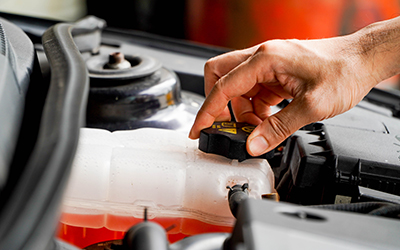
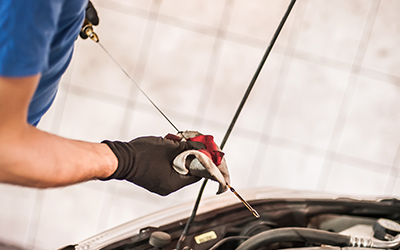
Fluid problems are some of the easiest to detect and prevent, yet they’re among the most common causes of major repairs. A routine oil change is not just a checklist item—it’s a critical service that prevents engine wear and overheating. If oil becomes low, dirty, or thick, it loses its ability to lubricate moving parts properly. That extra friction can lead to premature engine failure. Transmission fluid, coolant, and brake fluid work the same way: small leaks or neglected changes increase internal wear, corrosion, and overheating. A minor fluid seep is often inexpensive to repair, but when ignored, it can lead to full component replacement.
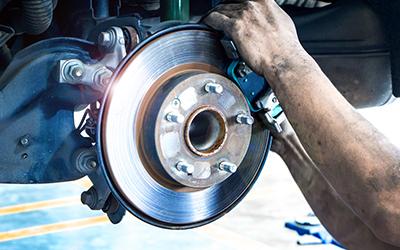
Brakes rarely fail without warning. Most issues begin with noise, vibration, longer stopping distance, or a soft pedal feel. Putting off brake repair can turn a basic pad replacement into rotor damage, caliper failure, or even brake line issues. The longer the metal-to-metal grinding continues, the more expensive the repair becomes—and the greater the risk to your safety. Addressing brake concerns early also improves overall control, especially during sudden stops or poor driving conditions.
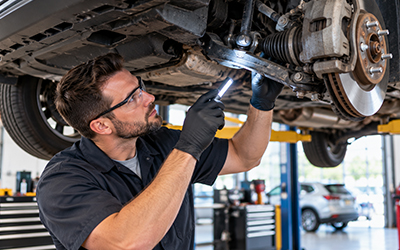
Your suspension system does more than make the ride comfortable. It protects steering stability, tire contact, and braking control. A worn shock absorber or loose component can lead to bouncing, drifting, and rapid tire wear. That’s where tire checks become valuable again: uneven wear on car tires in Centennial often connects back to suspension concerns, and the same applies to drivers shopping for automotive tires in Centennial. For trucks and work vehicles, truck tires Centennial wear patterns can quickly escalate into steering or suspension damage because higher weight increases strain.
The best way to avoid major repairs is to treat your vehicle like a long-term investment. Small repairs are generally affordable because they address a single component or early-stage issue. Major repairs often involve multiple systems, additional labor, and secondary damage. Routine inspections, timely fluid service, and fast response to warning signs are what keep small issues from becoming big surprises. If you’re noticing a new sound, smell, vibration, or warning light—or you’re shopping for car tires in Centennial, automotive tires in Centennial, or truck tires in Centennial—a professional inspection can help identify the root cause before it grows into a costly repair.